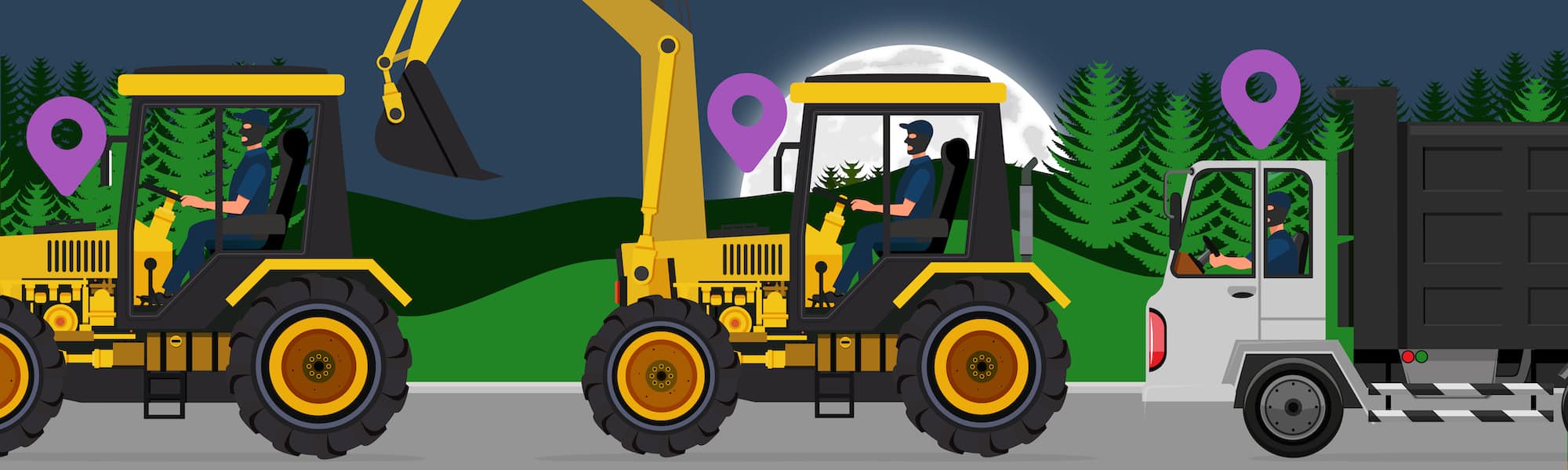
Heavy equipment is one of the most valuable assets on any construction site, yet it is also one of the most vulnerable. Every year, contractors and fleet managers face the challenge of stolen backhoes, loaders, trailers, and other machinery that can disappear overnight.
According to the National Equipment Register (NER) and the National Insurance Crime Bureau (NICB), theft of construction and farm equipment causes yearly losses estimated between $300 million and $1 billion, with most figures falling near $400 million.
Unlike passenger vehicles, heavy machinery often sits in open job sites, is difficult to trace once stolen, and is rarely registered like a car or truck. With GPS heavy equipment theft prevention, contractors gain real-time visibility and instant alerts whenever assets are moved without authorization. This proactive approach drastically improves recovery chances and reduces financial exposure.
Companies that invest in GPS-heavy equipment theft prevention not only safeguard their machinery but also protect project timelines and insurance standing. One avoided theft can pay for years of telematics coverage.
Why Is Heavy Equipment Theft a Growing Problem?
Heavy equipment theft is no longer an occasional risk; it has become a persistent challenge for contractors and fleet managers across the country. Rising demand for construction machinery, coupled with unsecured job sites and high resale values, has created fertile ground for thieves. The result is millions of dollars in annual losses, project delays, and costly insurance claims that can cripple operations.
Several factors contribute to the rise of construction and heavy equipment theft:
- Unsecured job sites: Machines are often parked in open lots with minimal surveillance.
- High resale value: Stolen equipment can be quickly resold or stripped for parts.
- Slow reporting and tracking: Many fleets do not realize theft has occurred until hours later, which gives thieves a head start.
- Insurance gaps: Replacement value rarely matches real costs, leaving companies exposed.
The ripple effect is significant. A stolen loader not only costs thousands in replacement value but can also cause cascading delays across the project schedule. Subcontractors may be left idle, project owners lose confidence in timelines, and missed milestones can jeopardize future bids.
Beyond the immediate financial loss, equipment theft erodes trust, disrupts relationships, and damages a company’s reputation in a highly competitive industry.
How GPS Tracking Solutions Prevent Theft?
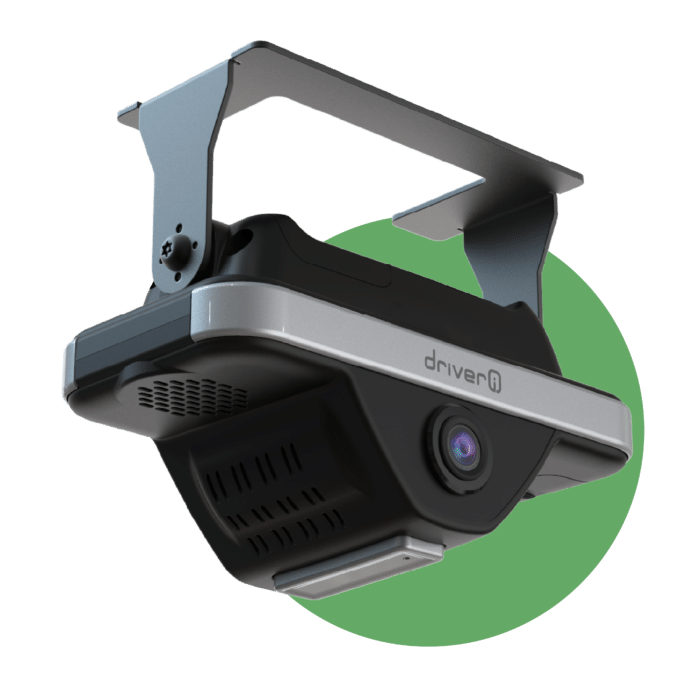
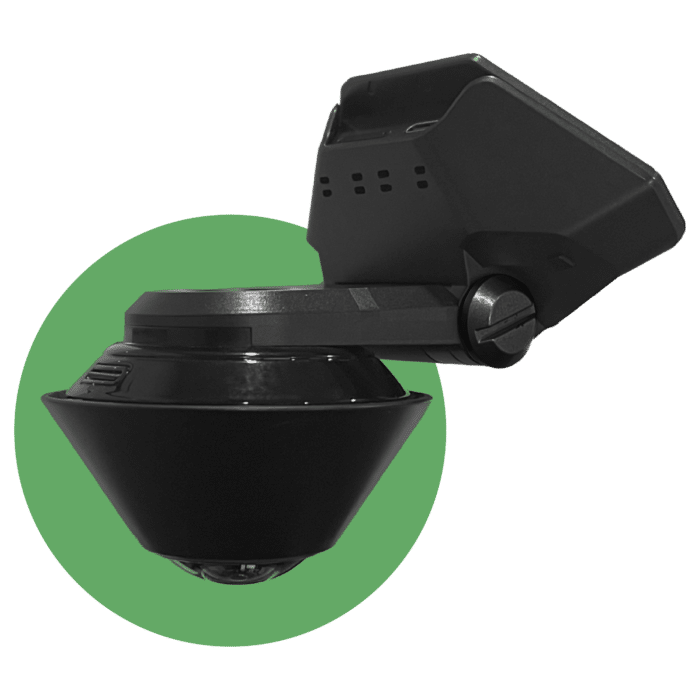
Telematics technology has evolved far beyond dots on a map. What was once a basic location tool is now a comprehensive system that blends GPS tracking, AI-enabled dash cams, and smart alerts into one powerful security network. Together, these tools create a layered defense against theft by monitoring every movement, flagging unusual activity, and supplying visual proof when incidents occur.
At the same time, the same systems improve day-to-day fleet efficiency by reducing idle time, optimizing equipment usage, and giving managers real-time insights into how assets are being deployed across job sites.
Real-Time Alerts and Notifications
- Geofencing lets managers set digital boundaries around job sites. If equipment moves beyond that boundary, an instant alert is triggered.
- Unauthorized ignition alerts notify managers when a machine starts outside normal work hours.
- Motion sensors capture even small movements, such as attempts to tow or load equipment onto a trailer.
Dash Cams and Video Evidence
- Modern dash cams record both inside and outside the vehicle, creating a 24-hour record.
- Video footage is stored in the cloud, which means evidence is secure even if the device is tampered with.
- Footage supports police investigations and insurance claims, reducing disputes and delays.
Fast Recovery and Deterrence
With GPS and dash cams working together, recovery is faster and more reliable. Stolen assets that might otherwise disappear permanently can be located within hours. Several GPS Insight customers have experienced this first-hand, recovering stolen equipment within a single day and avoiding costly downtime. For thieves, even the visible presence of cameras and trackers is often enough to discourage attempts.
What Are the Cost Savings and Operational Benefits of GPS Tracking?
While the primary goal of GPS tracking and dash cams is to prevent equipment theft, the financial and operational advantages go much further. Fleets that adopt these technologies often see measurable savings in insurance premiums, reduced downtime from faster recovery, and fewer disputes thanks to video evidence.
At the same time, managers gain better control over equipment utilization, leading to smarter deployment and less wasted fuel or labor hours. Additionally, the financial benefits extend further:
- Lower insurance premiums: Many insurers offer discounts for fleets with advanced anti-theft technology.
- Reduced downtime: Fast recovery prevents weeks of lost productivity.
Operational proof: Video logs help resolve disputes with clients or liability claims.
- Equipment utilization: Managers can analyze usage patterns to reduce idling and improve deployment.
ROI in perspective:
- Replacing a stolen backhoe can cost $ 70,000 to $100,000.
- A telematics solution typically pays for itself after preventing or recovering just one theft.
How Do You Choose the Right GPS and Dash Cam Solution?
The best theft-prevention system is one that fits your fleet’s size, equipment types, and security needs. Choosing the right GPS and dash cam solution means looking for technology that provides real-time visibility, secure cloud storage for video evidence, and scalable devices that can protect everything from large excavators to small trailers. Fleets should also prioritize systems that include 24/7 monitoring, AI-powered cameras, and compliance features that meet insurance and federal requirements.
Step-by-Step Guide to Selecting the Right Solution
| Step | What to Do | Why It Matters |
| Assess Your Fleet Needs | Map out the types of equipment to protect, from excavators to trailers and service trucks. | Ensures every asset is covered with the right device type. |
| Compare Features and Capabilities | Look for GPS devices with live tracking, geofences, and unauthorized-use alerts. For cameras, prioritize AI-enabled dual-view dash cams with cloud storage. | Provides real-time visibility, immediate alerts, and secure video evidence. |
| Review Compliance and Insurance Requirements | Confirm the system meets insurer requirements and state regulations for cameras and telematics. | Keeps you compliant while maximizing insurance benefits. |
| Check Scalability and Integration | Choose devices and software that expand easily and integrate with fleet management tools. | Future-proofs your investment and simplifies operations. |
| Evaluate Support and Reliability | Select providers with strong customer service, proven uptime, and real recovery success. | Ensures quick response and dependable theft prevention. |
Combine GPS trackers with dash cams to create a complete protection shield for every type of equipment.
What Legal and Compliance Factors Should You Consider?
When rolling out GPS-heavy equipment theft prevention systems such as trackers and dash cams, it is important to balance security with compliance. Regulations can differ by state, federal standards, and insurance providers, and overlooking these details can cause complications. Taking time to review the legal landscape ensures that your investment in theft prevention delivers maximum protection without exposing your fleet to risks.
- Privacy laws: Several states place limits on the use of driver-facing cameras, especially when they can be considered intrusive. Fleet managers should review local privacy laws and ensure that any monitoring is transparent to drivers and legally permissible. Clear communication with staff also helps avoid potential disputes.
- FMCSA requirements: The Federal Motor Carrier Safety Administration sets guidelines for how electronic data is collected, stored, and accessed. Telematics and video solutions must meet these standards to remain compliant, which also protects fleets from penalties during inspections or audits.
- Insurance policies: Not every insurer automatically covers heavy equipment theft. Some carriers require that fleets use specific, approved GPS trackers or dash cam systems before extending full coverage or discounts. Verifying these details upfront prevents costly gaps in protection.
Quick Compliance Checklist
- Review state privacy laws before installing driver-facing cameras
- Confirm FMCSA standards for electronic data collection and storage
- Check insurance policies for approved GPS or dash cam requirements
What Are the Three Key Steps to Prevent Equipment Theft?
Heavy equipment theft is a growing problem that costs fleets millions every year, but the good news is that it can be prevented with the right approach. After exploring the risks, legal requirements, and the role of GPS heavy equipment theft prevention, it becomes clear that security works best when technology, processes, and people are aligned. By combining GPS trackers, geofences, and trained crews, fleet managers can build a strong, layered defense that protects assets and keeps projects on track.
1.Install GPS and Dash Cams
Outfitting every asset with GPS trackers and dash cams is the foundation of GPS-heavy equipment theft prevention. GPS devices provide real-time location data, while dash cams record visual evidence that can be stored securely in the cloud. Together, they give managers 24/7 visibility, instant alerts, and crucial proof in the event of theft or unauthorized use.
2. Set Geofences and Alerts
Technology works best when paired with smart configurations. By creating digital boundaries, or geofences, around job sites, managers receive immediate notifications if a piece of equipment leaves the designated area. Alerts for after-hours ignition or unexpected movement allow rapid response before thieves can move far, improving the odds of quick recovery.
3.Train Crews and Secure Sites
Even the best technology needs support from people on the ground. Train crews to properly lock machines, use immobilizers, and park in well-lit, visible areas whenever possible. Encourage staff to report suspicious activity, and combine training with security measures such as fencing or surveillance cameras for an added layer of protection.
The strongest theft prevention plan pairs GPS technology with vigilant crews and secure worksites for full-circle protection.
Key Takeaways
- Equipment theft costs construction fleets up to 1 billion dollars annually.
- GPS tracking and dash cams provide real-time alerts, rapid recovery, and video evidence.
- Customer success stories show that stolen equipment has been recovered in just a matter of hours, saving companies from major financial loss and project delays.
- Benefits go beyond theft prevention, including insurance savings, reduced downtime, and better asset utilization.
- A layered approach of technology, compliance, and crew awareness offers the strongest defense.
Are you ready to stop heavy equipment theft before it starts?
Heavy equipment theft is not just a financial burden; it is a threat to timelines, reputations, and long-term growth. With annual losses reaching hundreds of millions of dollars, relying on traditional site security alone is no longer enough. GPS heavy equipment theft prevention through tracking systems and dash cams offers a modern, layered solution that addresses the problem at its core.
From real-time alerts and cloud-stored video evidence to faster recovery and insurance savings, fleets that invest in these technologies are better positioned to protect their assets and maintain business continuity.
Do not wait for theft to disrupt your projects. Protect your assets and your bottom line with a proven solution.
See GPS Insight Theft Prevention in Action.
Frequently Asked Questions
Q1 : How does GPS tracking prevent construction theft?
It creates instant alerts when machines move without authorization and helps police recover stolen equipment quickly.
Q2 : Do dash cams work without internet?
Yes. Most store footage locally on SD cards, while cloud-enabled models upload automatically when connected.
Q3: What is the average recovery time with GPS?
Many recoveries occur within 24 to 48 hours, compared to weeks or never without GPS.
Q4: Does insurance cover stolen machinery?
Insurance helps, but it usually does not cover the full value or downtime losses. GPS tracking reduces both risks.