Fleet-based businesses manage more than vehicles. Trailers, containers, equipment, and even smaller tools often carry equal importance in keeping operations smooth. Losing track of these assets can result in lost revenue, compliance challenges, and customer dissatisfaction.
Asset tracking has become an essential solution for modern fleets. By attaching GPS-enabled devices to equipment, managers gain real-time visibility into the location, usage, and health of their assets. This knowledge not only helps prevent theft and misuse but also improves efficiency and ensures maintenance is handled at the right time.
According to research from McKinsey, companies adopting digital maintenance in heavy industries can boost asset availability by 5–15% and cut maintenance costs by 18–25%. For logistics, construction, and utility companies, this translates into cost savings, stronger compliance, and more reliable service delivery.
What Is Asset Tracking and How Does It Work?
Asset tracking uses GPS technology, sensors, and software platforms to monitor and report the location and status of valuable equipment. Devices are attached directly to assets, transmitting data at regular intervals. Fleet managers then access this information through dashboards and mobile apps to make better operational decisions.
The core benefits include:
- Continuous visibility of high-value assets
- Alerts for unauthorized movement or theft attempts
- Accurate records of usage to guide billing and compliance
- Maintenance reminders based on mileage or runtime
This combination of transparency and automation creates a stronger return on investment while reducing administrative burden.
Types of Asset Tracking Devices
Not all assets require the same type of tracker. The best option depends on where the asset operates, how long it needs to be monitored, and how much maintenance the device itself requires.
Satellite Asset Trackers
Satellite trackers are ideal for assets that travel beyond cellular coverage. They are self-sustained and reliable in remote or cross-border regions. Maritime fleets, mining companies, and global logistics providers often rely on satellite trackers to maintain visibility without interruption.
Solar-Powered Asset Trackers
These devices use built-in solar panels to keep themselves charged, making them excellent for long-term outdoor deployments. They are popular for construction machinery, trailers, and agricultural equipment. As long as the tracker receives adequate light, maintenance is minimal, and the device can last for several years.
Battery-Powered Asset Trackers
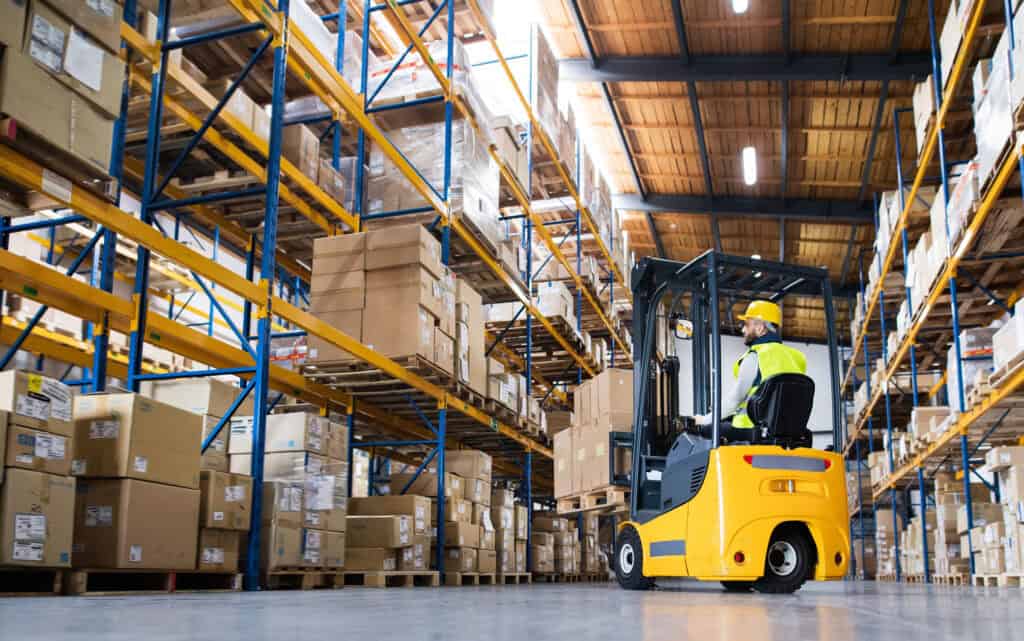
Battery-powered trackers are versatile and affordable. They work well for forklifts, rental machinery, indoor assets, or smaller trailers. While they need recharging or battery replacement every few years, their cost-effectiveness makes them a practical choice for many fleets.
Choose the tracker based on asset conditions: satellite for remote areas, solar for outdoor equipment, and battery-powered for indoor or short-term assets.
Satellite Vs. Solar Vs. Battery-Powered Trackers
|
Feature |
Satellite Tracker |
Solar-Powered Tracker | Battery-Powered Tracker |
|
Power Source |
Satellite-fed, independent | Solar panel |
Rechargeable or replaceable battery |
| Connectivity | Global | Works best with clear skies |
Moderate indoors and outdoors |
|
Use Case |
Remote and global assets | Outdoor long-term equipment |
Indoor equipment and short-haul trailers |
|
Maintenance |
Very low | Occasional cleaning |
Battery replacement every 3–5 years |
|
Battery Life |
Continuous | Up to 7 years | 3–5 years |
| Relative Cost | Higher investment | Medium cost |
Lower cost |
This comparison shows that while satellite trackers provide unmatched reach, solar and battery options balance affordability and practicality for everyday operations.
Benefits of GPS Asset Tracking for Fleets
Investing in asset tracking technology provides more than just location updates. It empowers fleet managers with insights that improve decision-making, lower costs, and safeguard valuable equipment. Here are the key benefits companies gain from GPS-enabled asset tracking:
- Real-time visibility: Managers can view the live location of every asset, ensuring equipment is deployed where it is needed most and reducing the chances of assets sitting idle.
- Loss prevention: Geofencing alerts trigger notifications if an asset moves outside approved zones, helping teams act quickly to prevent theft or unauthorized use.
- Higher utilization: Usage data highlights underperforming or idle equipment, allowing managers to reassign resources and maximize return on investment.
- Preventative maintenance: Devices can monitor usage hours and conditions, sending reminders when servicing is due. This proactive approach reduces breakdowns, lowers repair costs, and extends equipment lifespan.
- Lifecycle management: Historical records of asset performance and usage make it easier to decide when to repair, upgrade, or retire equipment, keeping the fleet lean and cost-efficient.

Questions to Ask Before Choosing a Tracker
With multiple asset tracking options available, it is important to evaluate which device fits your operational goals and budget. Asking the right questions up front ensures you invest in a solution that delivers long-term value.
- Do my assets operate mostly in remote or cellular-based regions?
- How long should devices last before recharging or replacement?
- What balance of cost and durability best suits my assets?
- How will data integrate with my existing fleet management system?
- What security protocols ensure that sensitive data is protected?
Maintenance and Lifecycle Management
Asset tracking goes beyond simply knowing where equipment is located. The most effective systems also provide insights into asset health, service requirements, and compliance needs. This makes tracking a strategic tool for reliability as well as security.
With GPS Insight, managers gain the ability to:
- Receive automated maintenance alerts: Trackers can log usage hours, mileage, or run time, then send reminders when service intervals are reached. This ensures assets are serviced on time, reducing the risk of costly breakdowns.
- Track usage for replacement planning: Historical data shows how often and how intensively each asset is used. Managers can make informed decisions about whether to repair, upgrade, or retire equipment based on actual performance rather than guesswork.
- Ensure compliance with DVIR and regulations: Asset tracking integrates with compliance requirements, such as DVIR (Driver Vehicle Inspection Reports), helping fleets avoid fines and maintain safety standards.
By combining location visibility with health monitoring and compliance tools, fleets can prevent unplanned downtime, lower repair expenses, extend equipment lifespan, and keep operations safer and more reliable.
Future Trends in Asset Tracking
The asset tracking industry is advancing at a rapid pace, and fleets need to prepare for what lies ahead. Artificial intelligence is beginning to play a larger role, with predictive insights that help forecast maintenance needs and identify unusual patterns in asset usage. These capabilities allow managers to act before problems occur, reducing downtime and improving reliability.
In parallel, satellite coverage is expanding, making connectivity more dependable in rural and remote regions. Fleet software is also evolving, offering tighter integration with management and compliance platforms for a smoother exchange of data. Alongside these improvements, stronger security protocols are being introduced to protect sensitive asset information, giving businesses greater confidence in the technology that supports their operations.
Wrapping It Up!
Asset tracking is no longer optional for fleets that want to maximize productivity and protect valuable resources. Whether through satellite, solar, or battery-powered devices, tracking provides visibility, utilization data, and preventative maintenance insights that keep businesses competitive.
GPS Insight delivers reliable asset tracking solutions that integrate seamlessly with fleet management platforms, support compliance requirements, and help reduce downtime.