
Running a service fleet today means managing vehicles, technicians, customers, and equipment—all moving at the same time. For many businesses, the challenge isn’t a lack of technology. It’s that the technology doesn’t work together.
Many fleets operate with separate systems for GPS tracking, field service management (FSM), and dash cameras. Each tool serves a purpose, but when they operate independently, they create gaps in visibility, communication, and efficiency.
That’s why more businesses are moving to a unified fleet management platform that brings everything into one system.
By combining telematics, field service software, cameras, and asset tracking in a single dashboard, fleets can cut costs, improve productivity, and manage their entire operation from one screen.
The Problem with Disconnected Fleet Systems
Disconnected systems often appear as companies grow.
A business may start with GPS tracking for vehicles. Later they add field service software for scheduling and invoicing. Eventually they introduce dash cams to improve safety. Over time, this creates a patchwork of systems that don’t share information.
Common challenges include:
- Too many dashboards: Dispatchers jump between platforms to locate vehicles, update job status, and review camera footage.
- Manual data entry: Technicians and administrators spend time transferring information between systems.
- Limited visibility: Managers can see vehicle activity but not how it relates to job performance or driver safety.
These inefficiencies add up. Teams spend more time managing software than managing their fleet.
What is a unified fleet management platform?
A unified fleet management platform connects multiple fleet technologies into one integrated system.
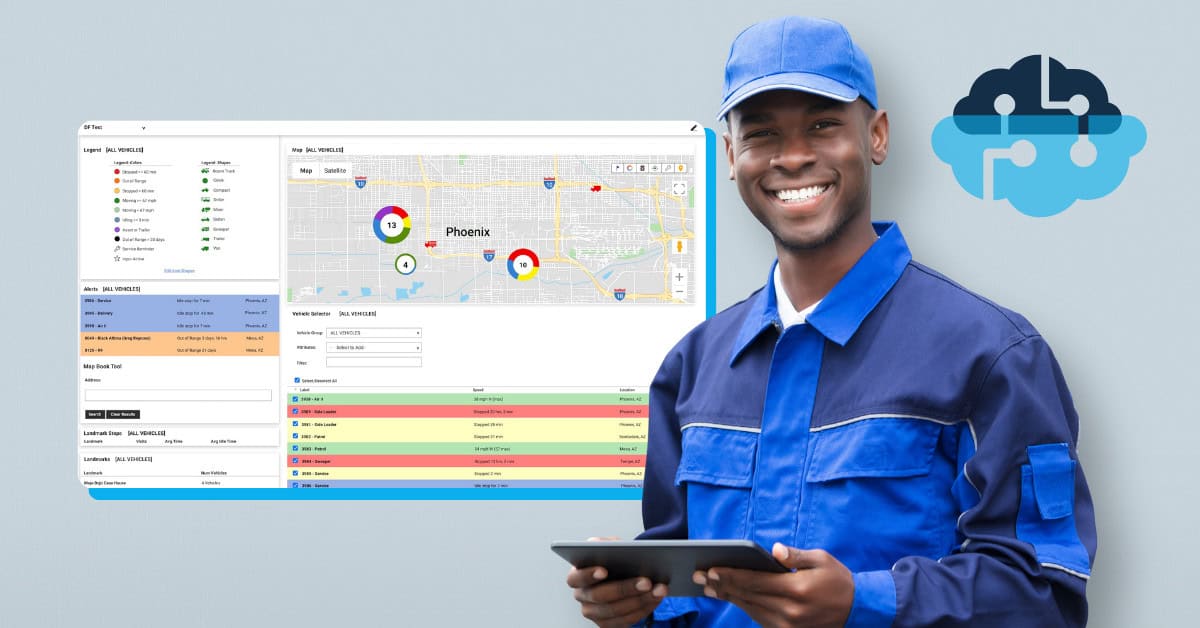
Instead of switching between tools, fleets can manage everything from a single dashboard, including:
- Vehicle GPS tracking
- Field service scheduling and dispatch
- AI dash cam safety monitoring
- Asset and trailer tracking
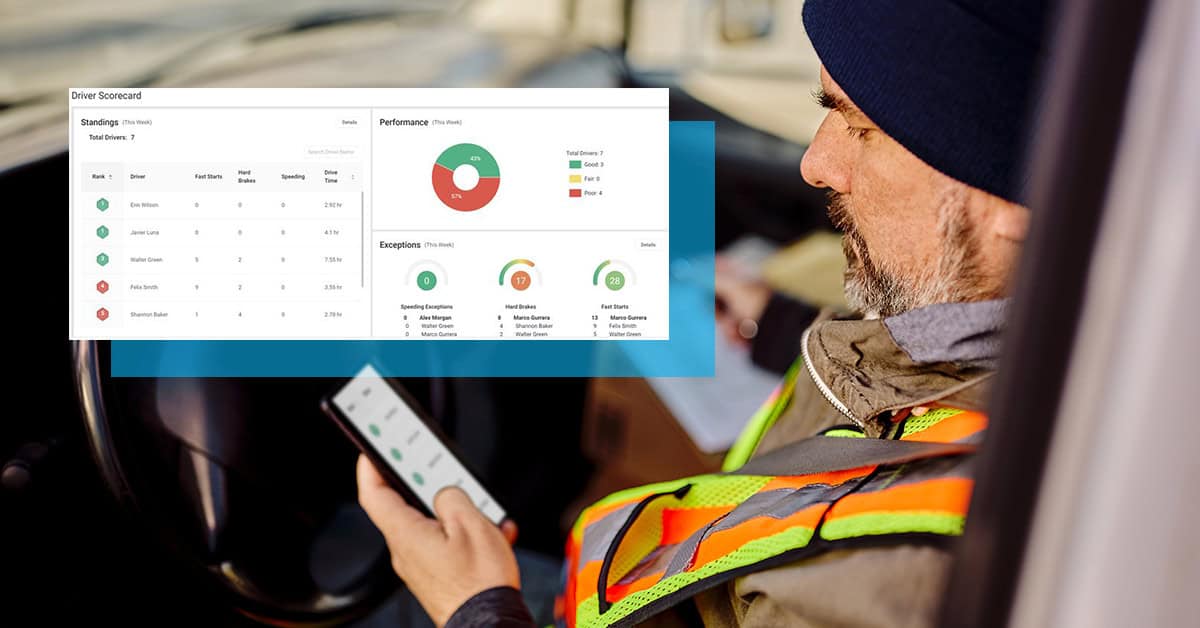
- Driver performance and safety analytics
Solutions like GPS fleet tracking software allow businesses to monitor vehicles and operations in real time while improving route efficiency and reducing operational costs.
When these systems work together, teams gain a clear view of the entire fleet operation.
How Integrated Fleet Technology Improves Operations
When fleet technologies are connected, businesses can streamline operations and make faster decisions.
Here are three key ways integration makes a difference.
1. Smarter dispatching with FSM and GPS tracking
Dispatching becomes much more efficient when field service management software connects directly to vehicle tracking.
With integrated field service management software, dispatchers can assign jobs based on real-time technician locations instead of relying on phone calls or guesswork.
Benefits include:
- Faster response times
- Reduced fuel costs from optimized routing
- Better communication with customers
When job data and vehicle data sync automatically, teams spend less time coordinating schedules and more time completing service calls.
2. Better driver safety with telematics and AI dash cams
Driver safety improves when vehicle data and video footage are linked.
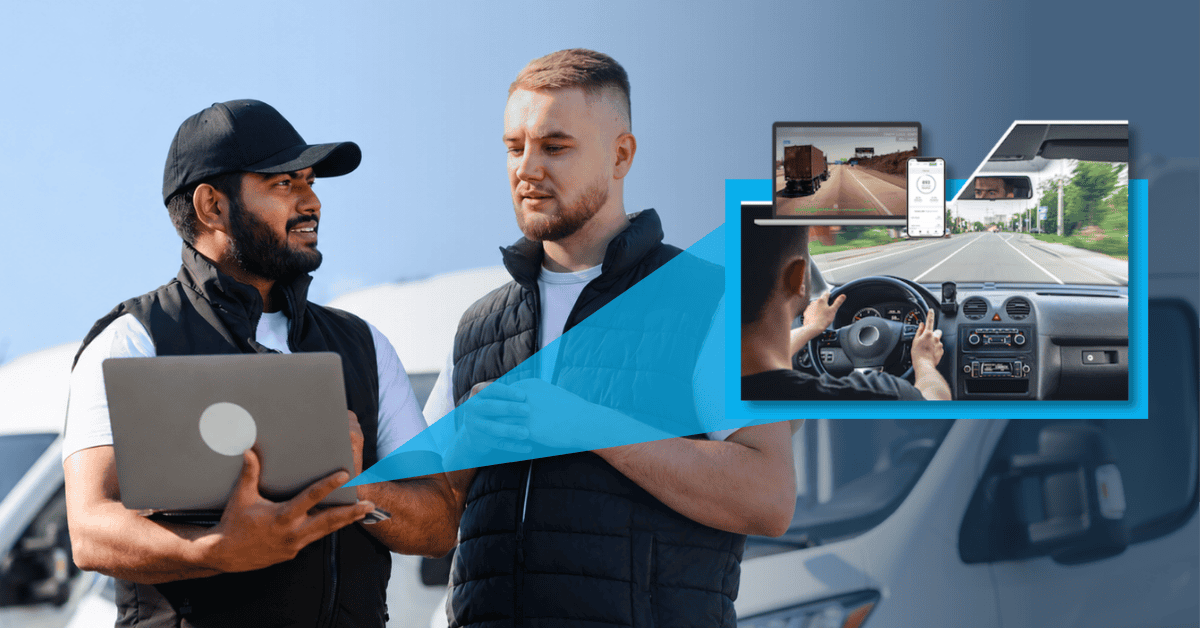
AI-powered fleet cameras capture driving events and provide video evidence that helps managers coach drivers and investigate incidents.
Modern fleet dash cam solutions combine video telematics with driver behavior monitoring to reduce accidents and protect fleets from false claims.
Instead of reviewing multiple systems, managers can quickly see:
- Vehicle speed and location
- Specific driving events
- Associated video footage or additional angles (auxiliary cameras sold separately)
This unified view helps fleets improve driver behavior and reduce liability risks.
3. Tracking trailers and equipment in real time
Vehicles are only part of the fleet equation. Many businesses rely on trailers, heavy equipment, and mobile assets to complete jobs.
With integrated asset tracking, companies can monitor high-value equipment alongside their vehicles.
Real-time tracking helps fleets:
- Locate equipment quickly
- Prevent theft of loss
- Identify underutilized assets
This visibility ensures that valuable equipment is used efficiently and available when needed.
Cost Savings of Unified Fleet Software
Using a unified fleet software platform instead of multiple disconnected systems can significantly reduce operational costs. When fleet management, GPS tracking, cameras, and field service tools are bundled together, businesses eliminate the need for multiple software subscriptions and vendor contracts. Integrated systems also reduce administrative work by automating data sharing between tools, which minimizes manual entry and reporting tasks.
At the same time, features like GPS route optimization and idle monitoring help fleets cut unnecessary fuel consumption. Automated workflows can also speed up billing by syncing completed work orders directly with invoicing systems, improving cash flow. For many fleets, these efficiencies add up to meaningful and measurable cost savings.
Scaling your fleet without adding complexity
As fleets grow, their technology needs become more complex. More vehicles, drivers, and service calls can quickly overwhelm disconnected systems.
A unified platform allows businesses to scale without adding new software or integrations.
Companies can expand their operations while continuing to manage everything within the same system, including:
- Additional vehicles and drivers
- More service technicians
- Expanded safety monitoring
- New assets and trailers
This flexibility helps businesses grow while keeping operations simple and organized.
One Platform with Total Fleet Visibility: GPS Insight
Managing a fleet shouldn’t require juggling multiple apps. With a unified system, you can track vehicles, manage technicians, monitor safety, and protect assets—all from one dashboard. When your fleet data works together, your team works better together too.
That’s the power of managing your whole fleet on one platform. Quick below to get a demo and learn how you can manage all of your fleet operations in one place!