
Electricians live in a world of moving parts. The schedule looks set in the morning, then the day starts, and everything shifts. A breaker keeps tripping at a retail site. A tenant smells burning near a panel. A construction crew is waiting for a rough-in inspection. A “quick” service call turns into a two-hour fix because the problem is deeper than expected.
When you run service vans, the hard part is not only the electrical work. It is keeping the day under control while the work keeps changing. Real-time GPS fleet tracking helps because it replaces guesswork with clear, simple answers about where vehicles are, where they have been, and how long they were on site. That sounds basic, but it solves a long list of daily problems that cost time, money, and trust.
This guide focuses on practical ways tracking supports electrician businesses, from dispatch decisions to billing disputes to safety follow-up. It is written in plain language and sticks to common tracking functions like live location, trip history, time on site, idle time, driving events, reporting, and maintenance reminders.
TL; DR
- Real-time fleet tracking helps you send the closest electrician to urgent calls without wasting time on check-in calls.
- Time-on-site and trip history give you clear proof for invoices when customers question travel time or hours.
- Idle time visibility helps you spot fuel waste and reduce long idle periods without guessing where it happens.
- Driving event trends support consistent safety coaching based on patterns, not one-off complaints.
- Weekly reports make it easier to review fleet activity and maintenance needs without chasing people for updates.
Top 7 Electrician Problems Solved by GPS Tracking
Most electricians are not looking for extra numbers. They want fewer unexpected issues during the day.
Here are the problems that come up again and again:
- Dispatch wastes time calling multiple techs to find the closest person.
- Customers want a tighter arrival window, but the office has no clear way to confirm it.
- Billing disputes happen because time on site and travel time become a debate.
- Vehicles sit idling more than anyone realizes.
- Risky driving shows up as complaints, close calls, or higher insurance pressure.
- Maintenance gets pushed until something breaks, then the schedule falls apart.
- Managers spend too much time trying to piece together what happened yesterday.
Benefit 1: Faster Dispatch When You Can See Vehicle Location Right Now
If you take service calls, you already know the moment where dispatch gets stuck.
A customer calls with an urgent issue and asks, “How soon can someone be here?” Dispatch wants to give a clear answer, but the techs are out on jobs and the only way to know where people are is to call them.
That leads to:
- Multiple phone calls
- Delays while people are driving or working
- Unclear ETAs
- Frustrated customers
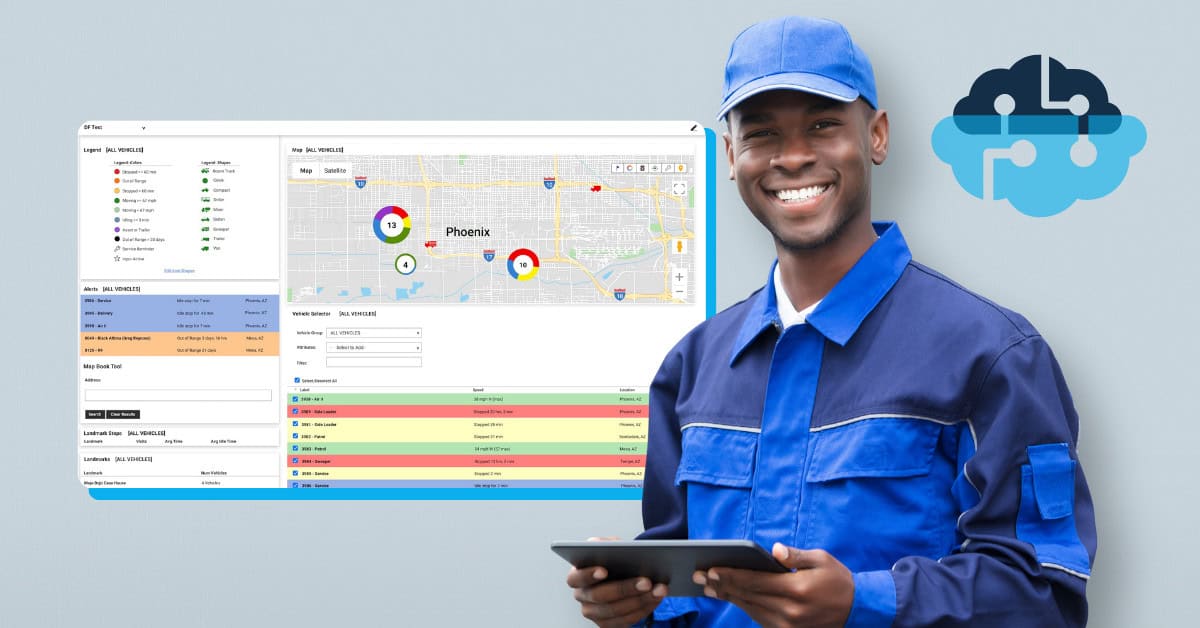
Real-time tracking gives dispatch a live view of vehicle location, so you can start with the closest option instead of guessing. You still confirm with the tech, but the decision starts from facts. That alone can speed up response planning on high-priority calls.
It also changes how dispatch handles schedule changes. When one job runs long, you can adjust the rest of the day with more confidence because you can see where the fleet is and how the day is moving.
Pro tip: For any urgent call, pick the closest van first, then confirm availability with one quick check-in. At the same time, stop giving a single exact arrival time. Give a short window (for example, “20–40 minutes”) and update it once the tech is on the way. This reduces repeat calls and keeps expectations realistic when jobs shift.
Benefit 2: Clear Proof of Time On Site and Travel Time
Electricians deal with billing questions that are not always fair, but they are common:
- “You were only here for a short time.”
- “Why is travel time on the invoice?”
- “You showed up later than you said.”
when your work is solid, disputes create office work. A simple disagreement can turn into a long email chain or a partial write-off just to move on.
Tracking helps by giving you a clean record of:
- Arrival time at a job location
- Departure time from that location
- Trips between stops
This matters for time-and-materials work, service agreements, emergency calls, and even project work where the customer wants clarity on hours. It also helps internal review. If a job took longer than expected, you can look at time on site and see whether the delay was travel, onsite troubleshooting, or waiting for access.
This is not about blaming the field team. It is about removing doubt when a customer questions the invoice.
Benefit 3: Less Wasted Time Between Calls by Spotting Idle Time
Idle time is one of those costs that hides in plain sight. A van might idle for five minutes here, ten minutes there, and it does not feel like much. But across a fleet, across a week, it adds up.
Idle time often comes from real needs, like warming up the vehicle, powering tools, or dealing with job notes. But it can also come from habits that no one notices until you can see it clearly
Tracking can help you:
- Identify long idle events that repeat
- See patterns by time of day or service area
- Set a simple policy that is fair and realistic
- Reduce fuel waste where it makes sense
The key is to keep idle review practical. Not every idle minute is a problem. The value comes from spotting the outliers and making small changes that improve schedule flow and reduce waste.
Benefit 4: Better Safety Follow-Up Using Driving Event Data
Electrician fleets spend a lot of time on the road, often in stop-and-go traffic, tight neighborhoods, and busy commercial areas. Safety risks show up as:
- Speeding complaints
- Harsh stops
- Close calls
- Damage to the van
- Higher insurance scrutiny
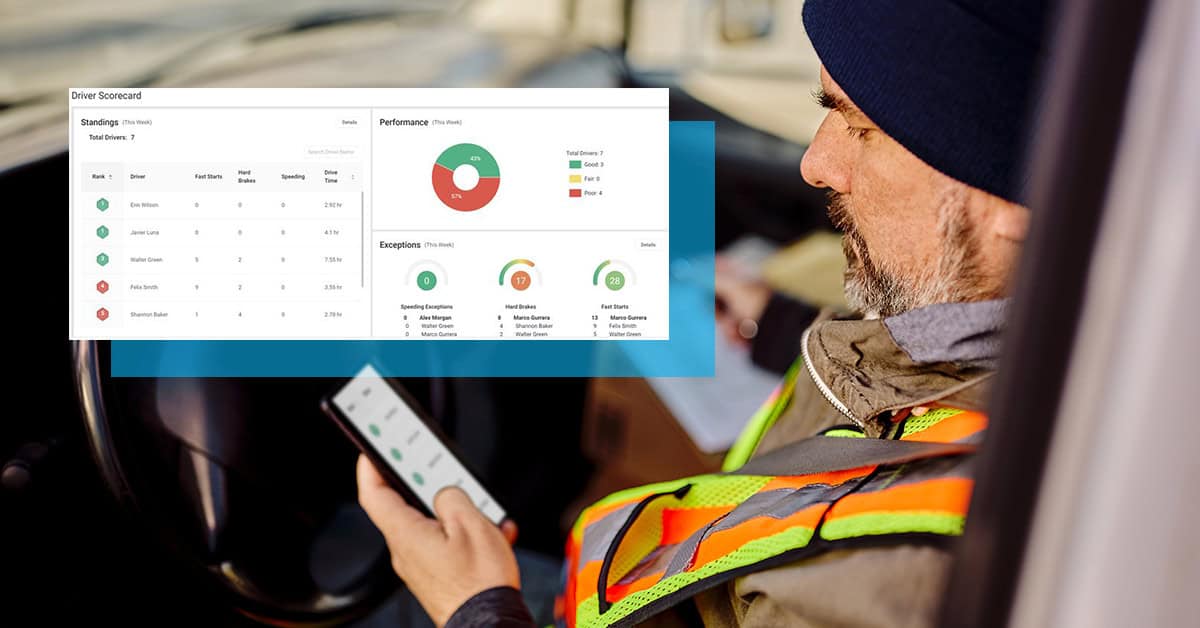
Tracking systems often record driving events like speeding and harsh braking. That kind of information is useful when you want coaching to be consistent and fact-based.
Instead of relying on hearsay or one-off complaints, managers can look at patterns:
- Does one vehicle show repeated speeding events?
- Are harsh braking events happening in the same area?
- Are issues tied to certain routes or times of day?
Coaching works best when it is steady and clear. Pick a few events to watch, review them on a set schedule, and keep the focus on safety and professionalism. Random spot checks and “gotcha” conversations usually backfire.
Some fleets also use vehicle cameras to help review incidents. If you choose to use cameras, the best use case is incident review and coaching tied to specific events, not constant monitoring. That approach keeps the purpose clear and limits unnecessary review time.
Benefit 5: Stronger Maintenance Planning and Fewer Breakdown Surprises
Service vans are the backbone of an electrician business. When a van goes down, it does not just cost repair money. It can cost:
- Missed jobs
- Rescheduled customers
- Lost trust
- A chaotic day for dispatch
Preventive maintenance is not glamorous, but it protects the schedule.
Fleet tracking platforms often support maintenance reminders so you can service vehicles before a breakdown hits. Even a simple routine helps:
- Set maintenance intervals for each vehicle
- Review upcoming service needs weekly
- Plan maintenance around the schedule, not during a crisis
The biggest win is not the reminder itself. It is the habit it supports. When maintenance planning becomes part of the weekly rhythm, downtime becomes less random and the fleet stays ready.
Pro tip: Block a fixed 15–20 minute slot each week to review upcoming service reminders and mileage trends, then schedule maintenance at least one week before it is due. Treat that review like a job appointment, not an optional task.
Benefit 6: Better Customer Updates and Fewer “Where Are You?” Calls
Customers care about two things during a service visit:
- When you will arrive
- Whether the problem will be fixed
If your arrival time becomes uncertain, customers start calling. That pulls the office into constant updates and pulls techs into more phone calls while they are driving or working.
With tracking, the office can give more accurate updates because they have a clearer view of where vehicles are and how the day is moving. Even if you do not share a live map with customers, internal visibility helps the office communicate better.
That can lead to:
- Fewer inbound calls asking for updates
- More confident scheduling
- Less stress on dispatch
- A better service experience
This matters even more for commercial work, where site managers and general contractors want tight time windows.
Benefit 7: Manager Visibility Through Reports, Maps, and Alerts
One of the quiet benefits of fleet tracking is how it changes management time.
Without tracking, managers spend a lot of time trying to reconstruct what happened:
- Who went where
- How long jobs took
- Why the schedule slipped
- Whether a customer complaint is valid
With tracking, you can review the week using reports and alerts rather than guesswork. The goal is not to create a pile of dashboards. The goal is a short, repeatable review that answers a few key questions.
A simple weekly review can include:
- Time on site trends (which jobs run long and why)
- Idle time patterns (where waste might be hiding)
- Driving events (which vehicles need coaching)
- Vehicles due for service soon
- Any stops that look unusual and need context
Keep the review consistent and small. A focused routine beats a long report that no one reads.
See GPS Fleet Tracking in Action for Your Electrician Team
If dispatch is spending too much time finding the closest tech, or your team keeps getting pulled into billing questions and ETA follow-ups, fleet tracking is one of the most direct ways to clean it up. You do not need a complicated rollout. Start with the basics that make the office and the field team’s day easier: real-time vehicle visibility, time on site, and clear trip history. Then add idle time review, safety event follow-up, and maintenance reminders once the team is comfortable.