
For fleet managers, staying ahead of traffic violations and safety mandates is critical to avoiding citations, protecting driver safety, and maintaining public safety.
With varying traffic laws across different states, businesses need tools like GPS Insight and ServiceBridge to streamline fleet operations, monitor driving behavior, and ensure adherence to Department of Transportation (DOT) and Federal Motor Carrier Safety Administration (FMCSA), regulations.
By knowing the most heavily enforced traffic laws by state, your field workers and fleet drivers can be aware of what to look out for while on the road and can thereby protect their livelihoods and your assets as best as they possibly can while satisfying customers.
Why Traffic Law Compliance Matters for Fleet Operations
For fleet managers, navigating the intricate web of traffic laws isn’t just about avoiding fines, it’s about building a strong cornerstone of operational efficiency and public trust. Non-compliance with regulations like speed limits, seatbelt laws, or vehicle maintenance standards can lead to costly citations, increased insurance premiums, and reputational damage.
Beyond financial repercussions, repeated violations jeopardize driver’s licenses, disrupt workflows, and elevate risks of collisions or fatalities. The stakes are even higher for fleets operating across multiple U.S. states, where enforcement priorities shift from California’s strict red-light camera policies to Texas’s rigorous oversight of commercial motor vehicle weights.
By prioritizing compliance, businesses not only protect their drivers and assets but also reinforce their commitment to road safety and federal mandates from agencies like the FMCSA and DOT. Tools like GPS Insight and ServiceBridge simplify this process by automating compliance tasks, reducing human error, and fostering a culture of accountability.
Most Enforced Traffic Laws by State

- Arizona: Aggressive driving; Overweight commercial vehicles.
- California: Speeding in construction zones; Red-light running.
- Colorado: Speeding on mountain highways; Unsecured loads.
- Connecticut: Distracted driving; Failure to yield to pedestrians.
- Florida: Reckless driving; Improper trailer lighting.
- Illinois: Toll evasion; Unsafe lane changes.
- Indiana: Failure to signal; Brake system violations.
- Kentucky: No pre-trip inspections; Logbook falsification.
- Louisiana: DUI among commercial drivers; Bald tires.
- Maryland: Cell phone use; Failure to stop for school buses.
- Massachusetts: Failure to inspect emergency exits; Jaywalking-related collisions.
- Minnesota: Ice-related accidents; Unattended idling.
- Mississippi: No DOT numbers displayed; Overweight agricultural vehicles.
- Nevada: DUI checkpoints; Window tint violations.
- New Hampshire: Failure to carry chains; Improperly adjusted brakes.
- New Jersey: Unsafe truck turns; Failure to report collisions.
- New Mexico: Dust storm speed violations; Faulty brake lights.
- North Carolina: Improperly registered commercial vehicles; Texting while driving.
- North Dakota: Oilfield truck overweight violations.
- Ohio: Improper mudflap installation; Speeding near weigh stations.
- Pennsylvania: Failure to merge properly.
- Rhode Island: School zone speeding; Expired registration.
- South Carolina: No reflective tape on trailers; Running stop signs.
- South Dakota: Improperly flagged oversized loads; Speeding near reservations.
- Tennessee: No CDL endorsements; Tire pressure violations.
- Vermont: Uninsured commercial vehicles.
- Virginia: Reckless driving; Defroster/heater malfunctions.
- Washington: HOV lane misuse.
- West Virginia: Rock haulers exceeding weight limits; No annual brake inspections.
- Wisconsin: Speeding near dairy farms.
- Wyoming: Inadequate tire chains.
How GPS Insight & ServiceBridge Protect Your Fleet
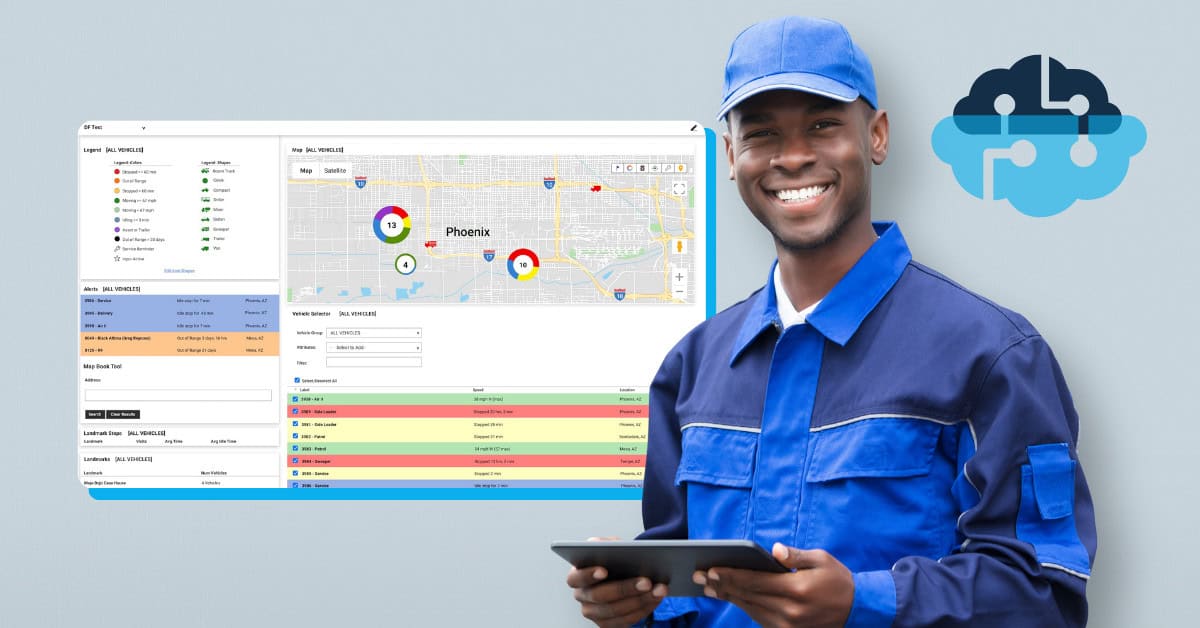
GPS Insight and ServiceBridge work in tandem to address the dual challenges of driver behavior and regulatory compliance.
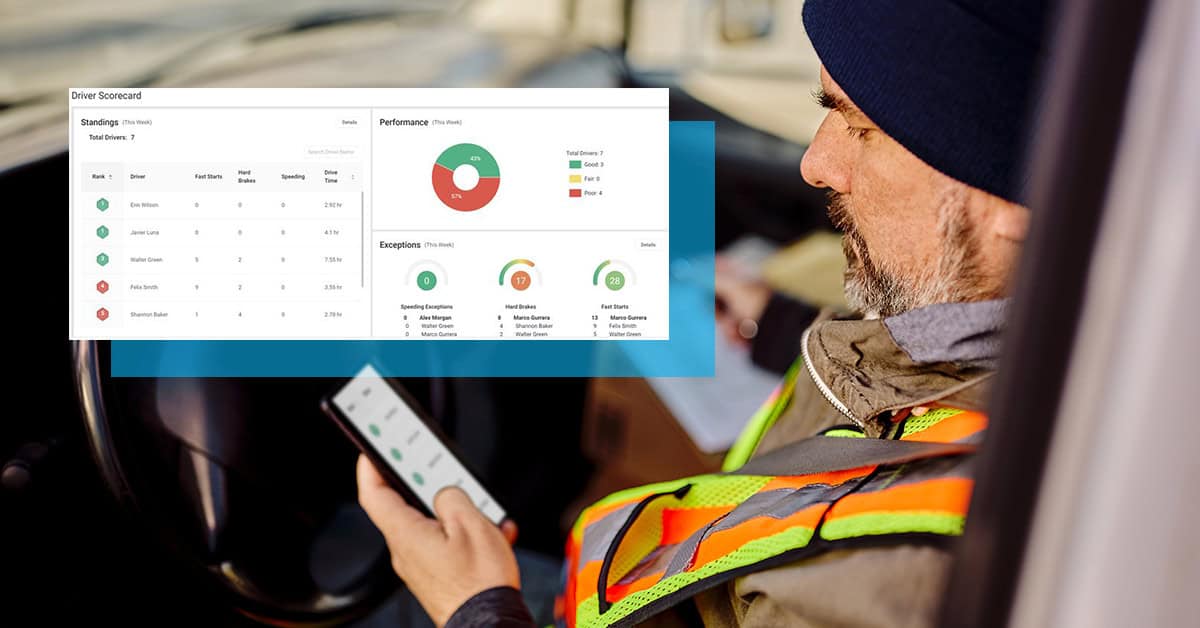
GPS Insight’s real-time telematics platform empowers fleet managers to monitor speed limits, harsh braking, and idling trends, instantly flagging unsafe driving behaviors that could lead to traffic violations. Drivers also receive scorecards that show a holistic view of overall driver performance, indicating whether it falls below expectations or aligns with company goals.
Customizable alerts notify drivers of speed limit changes in school zones or construction areas, while AI-powered dashcams can provide visual evidence to resolve disputes over red-light or distracted driving citations. Meanwhile, ServiceBridge streamlines backend compliance by automating vehicle inspection logs, hazardous material documentation, and preventive maintenance schedules. This ensures fleets adhere to DOT standards and FMCSA mandates, from validating driver’s licenses to auditing pre-trip inspection records.
Together, these platforms transform raw data into actionable insights no matter what they might be; from coaching drivers with low safety scores using GPS Insight’s behavior reports or generating audit-ready documentation via ServiceBridge’s workflow templates. The result is far fewer infractions, lower operational costs, and a fleet that operates safely within the bounds of traffic laws.
Optimizing Fleet Safety Across U.S.
The diversity of traffic laws across states demands a proactive, data-driven approach to fleet safety.
In New York, red-light violations and urban distracted driving dominate enforcement efforts, while states like Montana prioritize gross vehicle weight checks for agricultural and oilfield trucks. To navigate these nuances, fleet managers must pair localized knowledge with scalable technology.
By integrating real-time telematics with safety policy management, fleets can preempt issues like expired registrations in Rhode Island or improper lane changes in Ohio before they escalate into citations.
This holistic strategy not only reduces collisions and fatalities but also strengthens relationships with law enforcement and the Department of Transportation. Ultimately, the goal is to empower drivers with the tools to succeed, protect fleets from avoidable risks, and uphold the highest standards of road safety, no matter which side of the state lines.
Tools like GPS Insight for telematics and driver monitoring and ServiceBridge for workflow automation and safety mandates provide the visibility needed to minimize traffic violations, protect commercial drivers, and meet federal motor carrier safety administration standards.
If you’re ready to take the step to streamline your workers’ safety, then book a free demo to see how GPS Insight and ServiceBridge can help you accomplish your goals.