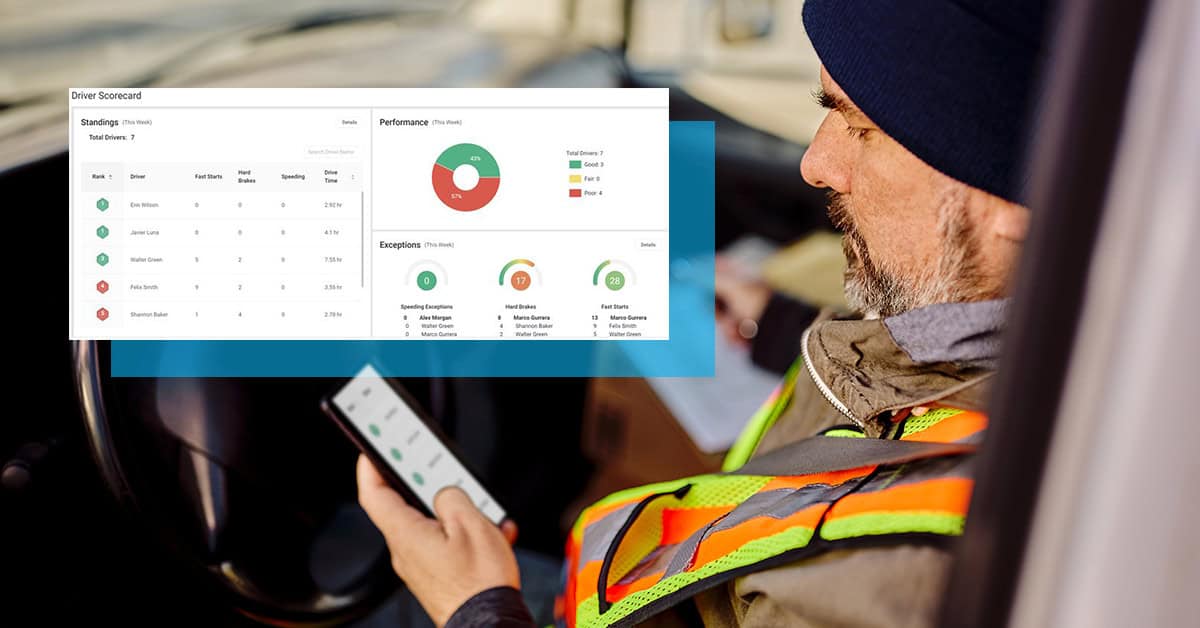
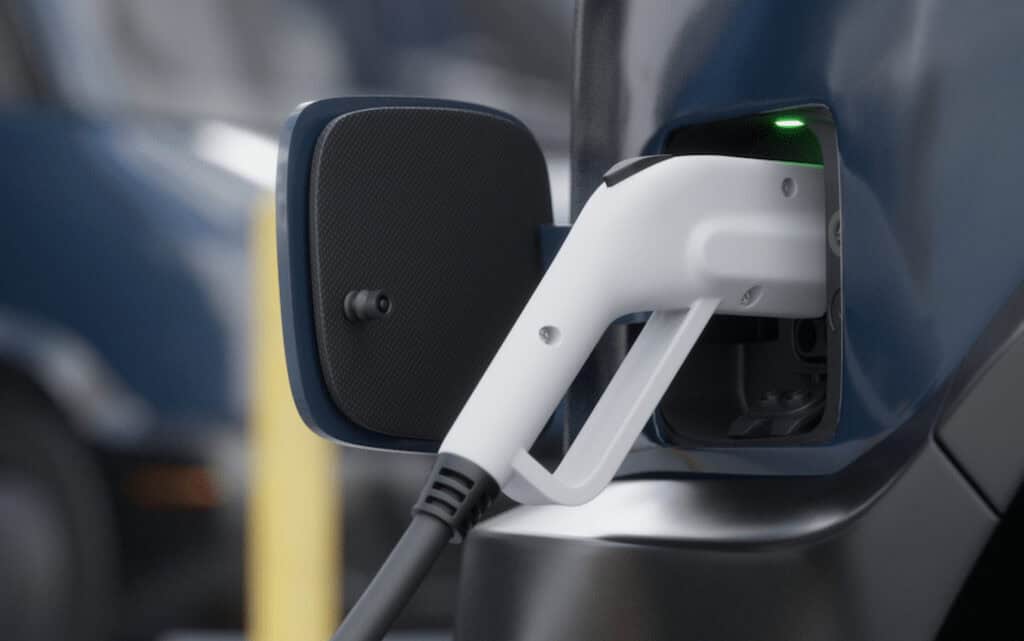
Fleet managers today are under more pressure than ever to cut costs, stay compliant, and deliver on sustainability goals. The move to electric vehicles is no longer something to consider for the future. It is an opportunity right now to lower expenses, reduce emissions, and win customer trust.
The electric vehicle fleet management market is set to rise from $23.52 billion in 2024 to $24.92 billion in 2025, growing at a 6% CAGR.
Source: The Business Research Company
The challenge is choosing the right vehicles. With dozens of new electric trucks, vans, semis, and compact models hitting the market in 2026, decision-making can feel overwhelming. It is not only about comparing range, charging speed, and price. It is also about understanding how each option fits into your routes, budget, and long-term growth plans.
This is where GPS Insight comes in. As a company focused on sustainability, GPS Insight helps fleets implement electric vehicles while keeping full visibility of operations. Their initiatives give managers the ability to improve efficiency, maintain productivity, ensure safety, and deliver better customer service, all while building a cleaner and more future-ready fleet.
Electric vehicle technology is improving quickly, and fleets now have more viable options than ever before. Automakers are expanding their commercial EV lineups to include cargo vans, pickups, step vans, and medium-duty trucks designed specifically for business use.
When evaluating the best electric commercial vehicles, fleets usually focus on a few practical questions:
- How far can the vehicle travel on a single charge?
- What payload capacity does it support?
- How quickly can it recharge?
- Does the vehicle fit existing fleet operations?
The newest 2026 models bring longer ranges, faster charging capability, and better fleet-focused features such as telematics integration and maintenance monitoring.
Below are several electric fleet vehicles that are expected to remain strong options for commercial operations in 2026.
Best Electric Commercial Vehicles Available in 2026
Ford E-Transit
The Ford E-Transit continues to be one of the most widely adopted electric cargo vans in North America. It offers multiple configurations designed for delivery services, contractors, and mobile service businesses.
Key highlights include:
- Up to 159 miles of estimated range
- Multiple roof heights and body lengths
- Fast charging capability with DC fast chargers
- Strong compatibility with existing fleet upfit equipment
Estimated starting price: $51,000–$57,000
The E-Transit works well for fleets that operate on predictable routes or return to a central facility each night for charging.
Rivian Commercial Van
Rivian’s electric delivery vans are designed specifically for logistics operations and high-volume delivery fleets.
These vans are built with fleet durability in mind and include advanced driver safety technology and strong battery performance.
Key highlights include:
- Up to 161 miles of range
- Large cargo capacity
- Fleet-focused telematics support
- Strong acceleration and urban driving performance
Estimated price range: $75,000–$83,000 depending on configuration
These vehicles are particularly well suited for last-mile delivery services.
Chevrolet BrightDrop Zevo 600
The BrightDrop Zevo 600 is one of the most advanced electric cargo vans built specifically for commercial delivery operations.
The vehicle is designed to support high-volume package distribution with a large cargo area and strong electric range.
Key highlights include:
- Up to 250 miles of range
- High cargo capacity
- Advanced driver safety systems
- Fast charging capability
Estimated starting price: $74,000–$79,000
Many large logistics fleets have begun deploying BrightDrop vehicles for urban and regional delivery routes.
Ram ProMaster EV
Ram’s entry into the electric cargo van market gives fleets another option designed for familiar ProMaster users.
The ProMaster EV focuses on delivering practical fleet performance without drastically changing vehicle layout or interior space.
Key highlights include:
- Estimated 164 miles of range
- Front-wheel drive platform
- Cargo-focused interior design
- Fleet-friendly service network
Estimated price range: $79,000–$85,000
Ford F-150 Lightning Pro (Fleet Version)
For fleets that require pickup trucks rather than cargo vans, the fleet-oriented F-150 Lightning Pro remains one of the most capable electric work trucks.
Key highlights include:
- Up to 320 miles of range (extended battery)
- Strong towing capacity
- Large front storage compartment
- Onboard power for tools and equipment
Estimated starting price: $54,000–$70,000 depending on battery and configuration
This truck is especially useful for construction, utilities, and field service operations.
This model is expected to appeal to businesses already operating gasoline ProMaster fleets.
Comparison of the Best Electric Fleet Vehicles (2026)
| Vehicle | Estimated Range | Vehicle Type | Payload Capacity | Estimated Starting Price |
| Ford E-Transit | 159 miles | Cargo Van | ~3,800 lbs | $51K–$57K |
| Rivian Commercial Van | 161 miles | Delivery Van | ~2,700 lbs | $75K–$83K |
| BrightDrop Zevo 600 | 250 miles | Delivery Van | ~2,200 lbs | $74K–$79K |
| Ram ProMaster EV | 164 miles | Cargo Van | ~3,020 lbs | $79K–$85K |
| Ford F-150 Lightning Pro | 230–320 miles | Pickup Truck | ~2,235 lbs | $54K–$70K |
Why Fleets Are Turning to EVs in 2026?
The advantages of EVs for fleets are no longer theoretical. Companies that have already made the shift are seeing lower fuel and maintenance costs, smoother performance, and stronger progress toward meeting sustainability goals.
- Lower fuel and maintenance costs: Electric power costs less per mile than gasoline or diesel. EVs also have fewer moving parts, which means fewer breakdowns.
- Sustainability compliance: Cities and states are tightening emission rules. EV fleets meet those requirements without expensive retrofits.
- Driver satisfaction: EVs deliver quiet rides and strong torque, which drivers appreciate during long shifts.
- Incentives and rebates: From federal tax credits to local grants, businesses have access to financial support that reduces upfront costs.
Pro Tip: Do not compare EVs on sticker price alone. Use the total cost of ownership (TCO) over five to ten years, factoring in fuel, maintenance, downtime, and incentives.
Which Electric Trucks Are the Best Choice for Fleets?
Electric trucks are quickly becoming a practical option for fleets, offering strong range, fast charging, and lower operating costs compared to traditional models. They are also helping businesses meet sustainability targets without compromising on performance.
Ford F-150 Lightning Pro
A reliable choice for light-duty work, the Ford F-150 Lightning Pro combines solid range with fast charging, making it well-suited for utility crews and municipal fleets.
- Range: 240–320 miles
- Charging: 150 kW fast charging, about 160 miles in 40 minutes
- Price: ~$52,000
- Best for: Utilities, light-duty operations, and municipal fleets

Chevrolet Silverado EV
Built for longer routes, the Chevrolet Silverado EV offers impressive range and quick charging, making it ideal for regional deliveries and service operations.
- Range: Up to 450 miles
- Charging: Adds 100 miles in about 10 minutes
- Price: ~$74,800
- Best for: Regional delivery and service fleets

Bollinger B2
Designed for tough jobs, the Bollinger B2 delivers durability and strength, making it a strong fit for construction and rugged fleet environments.
- Range: 200+ miles
- Charging: DC fast charging and Level 2
- Price: ~$125,000
- Best for: Construction and rugged environments

Which Electric Vans Are the Best for Commercial Fleets?
Electric vans are becoming the backbone of last-mile delivery and service operations. They offer a dependable range, lower running costs, and quiet performance that works well in cities and suburban routes, making them a smart upgrade for fleets focused on efficiency and sustainability.
Mercedes-Benz eSprinter
A dependable option for city fleets, the Mercedes-Benz eSprinter is built for last-mile delivery with solid range and fast charging that keeps operations moving.
- Range: Up to 200 miles
- Charging: DC fast charging
- Price: ~$71,800
- Best for: Last-mile delivery and urban logistics

Workhorse W-Series
Compact and well-suited for last-mile operations, the W4 CC is designed for parcel delivery and local service fleets that need a reliable electric truck for shorter routes.
- Range: Up to 150 miles
- Charging: Level 2 and DC fast charging
- Price: Typically higher than the former C-Series (exact pricing not publicly listed)
- Best for: Parcel delivery, service routes, and urban fleet operations

BrightDrop EV600
Engineered for scale, the BrightDrop EV600 is ideal for high-volume e-commerce and delivery fleets, offering longer range and quick charging to handle heavy daily demand.
- Range: 250 miles
- Charging: 170 miles in one hour with DC fast charging
- Price: ~$62,000
- Best for: E-commerce and large delivery fleets

Which Semi-Truck EVs Are Best for Heavy-Duty Fleet Use?
Semi-truck EVs are stepping up in 2026, giving fleets powerful options for regional and long-haul freight while cutting fuel costs and emissions. They are designed to handle heavy loads without sacrificing reliability. With improved charging and fueling infrastructure, they are becoming a realistic choice for forward-looking fleet operators.
Nikola Tre BEV and FCEV
Built for flexibility, the Nikola Tre BEV And FCEV comes in both battery and fuel cell versions, offering solid range for regional hauls and long-distance freight.
- Range: 330 miles (Battery Electric Vehicle, BEV) or 500+ miles (Fuel Cell Electric Vehicle, FCEV)
- Charging: BEV fast charges in about 2 hours, FCEV refuels with hydrogen in 20 minutes
- Best for: Regional and long-haul freight

Volvo VNR Electric
A proven option already in use, the Volvo VNR Electric is built for regional haul and distribution, combining reliability with practical charging.
- Range: 275 miles
- Charging: 80 percent in about 90 minutes with a 250 kW fast charger
- Best for: Regional haul, food distribution, and port operations
Pro Tip: Choose a semi-truck EV that matches your freight distance and fueling access to avoid costly downtime.
Which Compact EVs Are Best for Commercial Fleet Use?
Compact EVs are becoming a smart choice for fleets that handle city driving, service visits, and light deliveries. They offer affordable pricing, easy maneuverability, and enough range to cover daily routes without interruption.
Chevrolet Bolt EV
Affordable and efficient, the Chevrolet Bolt EV is a practical choice for service technicians and small business fleets that need dependable range at a lower cost.
- Range: 259 miles
- Price: ~$26,500
- Best for: Service technicians and small business fleets

Nissan LEAF
One of the most established EVs on the market, the Nissan LEAF works well for municipal and business fleets handling shorter, local routes.
- Range: 212 miles
- Price: ~$28,000
- Best for: Local municipal and business use

Kia EV6
A versatile option with fast charging and strong range, the KIA EV6 is ideal for rideshare operators and fleets balancing city and suburban travel.
- Range: 310 miles
- Charging: 210 miles in 18 minutes with ultra-fast charging
- Price: ~$42,600
- Best for: Rideshare and mixed-use fleets

Hyundai Kona Electric
Compact yet capable, the Hyundai Kona Electric provides solid range at a mid-level price, making it a good entry point for affordable fleet electrification.
- Range: 258 miles
- Price: ~$34,000
- Best for: Affordable fleet electrification

Volkswagen ID.4
Built for everyday versatility, the Volkswagen ID.4 combines competitive range with quick charging, making it a strong fit for corporate fleets and regional business travel.
- Range: 275 miles
- Charging: 62 miles in 10 minutes with fast charging
- Price: ~$38,000
- Best for: Corporate fleets and regional travel

Comparison Snapshot
| Vehicle | Category | Max Range (mi) | Charging | Price (MSRP) | Best Use Case |
| Ford F-150 Lightning Pro | Truck | 240–320 | 160 mi in ~40 min | $52,000 | Light-duty ops |
| Chevy Silverado EV | Truck | 450 | 100 mi in 10 min | $74,800 | Regional fleets |
| Bollinger B2 | Truck | 200+ | DC fast charging | $125,000 | Construction |
| Mercedes-Benz eSprinter | Van | 200 | DC fast charging | $71,800 | Last-mile |
| Workhorse W4 CC | Truck | 150 | Level 2 / DC fast | $165,000 | Parcel fleets |
| BrightDrop EV600 | Van | 250 | 170 mi in 1 hr | $62,000 | E-commerce |
| Volvo VNR Electric | Semi-Truck | 275 | 80% in 90 min (250 kW fast) | ~$350,000 | Regional haul, food distribution |
| Nikola Tre BEV | Semi-Truck | 330 (BEV) | Fast charges in ~2 hrs. | ~$300,000+ | Regional freight |
| Nikola Tre FCEV | Semi-Truck | 500+ (Fuel Cell) | Hydrogen refueling in ~20 min | ~$400,000+ | Long-haul freight |
| Chevy Bolt EV | Compact EV | 259 | 121 mi in 30 min | $26,500 | Service fleets |
| Kia EV6 | Compact EV | 310 | 210 mi in 18 min (ultra-fast) | $42,600 | Rideshare, mixed-use |
| Nissan LEAF | Compact EV | 212 | 80% in 40 min | $28,000 | Local municipal and business use |
| Hyundai Kona Electric | Compact EV | 258 | DC fast charging | $34,000 | Affordable fleet electrification |
| Volkswagen ID.4 | Compact EV | 275 | 62 mi in 10 min (fast charge) | $38,000 | Corporate fleets, regional travel |
How to Choose the Right EV for Your Fleet?
Choosing the right EV for your fleet is not just about picking the newest model. It requires a clear look at your daily mileage, charging access, and cargo needs. With the right planning, you can balance cost, performance, and long-term value.
- Analyze routes:
Start by mapping out the daily mileage of your vehicles. Identify the longest routes, average trip lengths, and where charging stations are located along the way. This helps you choose EVs with the right range and ensures your vehicles will not run into downtime during critical operations. - Assess payloads:
Every fleet has unique cargo requirements. Consider the weight and size of what your vehicles carry on a daily basis. A light-duty EV truck may be perfect for service work, while delivery fleets with heavier loads may need vans or semis with higher payload capacity. - Check incentives:
Take full advantage of financial support. Federal tax credits can lower the cost of each EV by up to $7,500, and many states or utilities offer additional rebates and grants. Stacking these incentives can make electrification far more affordable. - Plan infrastructure:
Think ahead about how and where your vehicles will charge. Some fleets install depot chargers to keep everything in-house, while others rely on public networks for flexibility. Planning charging infrastructure early helps avoid bottlenecks once EVs are in operation. - Review TCO, not just price:
Do not focus only on the purchase price. Total cost of ownership (TCO) gives the full picture, including savings on fuel, reduced maintenance, and longer vehicle life. Many fleets find that EVs pay for themselves within a few years once these factors are considered. - Train drivers:
Transitioning to EVs requires some driver training. Teach operators how to use regenerative braking effectively, how to plan around charging stops, and how to maximize vehicle efficiency. Well-trained drivers can extend battery life and reduce operating costs.
How Fleets Choose the Right Electric Fleet Vehicles
Selecting the right EV for a fleet requires more than comparing vehicle specifications. Businesses must evaluate how each model fits daily operations.
Important considerations include:
Driving Range
Range requirements depend on daily mileage. Urban delivery fleets may only need 100–150 miles per day, while regional service fleets may require 200 miles or more.
Charging Infrastructure
Charging strategy plays a major role in fleet EV adoption. Many fleets install depot charging stations so vehicles can recharge overnight.
Payload and Cargo Space
Electric commercial vehicles must still meet operational requirements for tools, packages, or equipment.
Total Cost of Ownership
Electric vehicles can reduce long-term operating costs through:
- Lower fuel expenses
- Reduced maintenance needs
- Fewer moving engine components
When evaluated over several years, many fleets find EVs become financially competitive with gasoline vehicles.
Why Electric Commercial Vehicles Are Becoming a Fleet Priority
Electric commercial vehicles are gaining traction because they solve several operational challenges fleets face today.
Businesses are adopting EVs to:
- Reduce fuel costs
- Meet sustainability goals
- Prepare for emissions regulations
- Lower long-term maintenance expenses
Many cities are also introducing policies that encourage or require cleaner transportation options for commercial fleets.
As a result, the best electric commercial vehicles are no longer experimental options. They are becoming practical fleet tools.
How Telematics Helps Manage Electric Fleet Vehicles
Managing EVs requires accurate visibility into vehicle activity, battery levels, and charging behavior.
Fleet telematics platforms help businesses monitor:
- Vehicle location and usage
- Charging schedules
- Battery status
- Vehicle utilization trends
With the right telematics system, fleet managers can identify charging opportunities, improve route planning, and ensure EVs remain available when needed.
Why GPS Insight Makes the Difference?
The vehicles themselves are only part of the electrification journey. The real impact comes from how well you manage them once they are in operation. This is where GPS Insight sets itself apart as a company committed to helping fleets succeed. Their sustainability initiatives are designed to give managers full visibility into electric vehicles while improving efficiency, safety, and customer service.
With GPS Insight, fleets can take control of every part of EV management:
- Monitor EV range in real time: Stay ahead of potential issues by tracking vehicle range and battery status. This ensures that drivers are never caught off guard by a low charge during an important job.
- Track charging sessions and readiness: Gain visibility into when and where your vehicles are charging, how long they take, and whether they are ready for the next shift. This helps keep schedules reliable and predictable.
- Compare operating costs across the fleet: GPS Insight allows you to measure the cost performance of EVs against your gas or diesel vehicles. This data makes it easier to prove ROI and build a strong case for further electrification.
- Plan smarter routes with charging access: The platform helps align trip planning with available charging stations, reducing downtime and giving drivers confidence on longer routes.
- Stay on top of EV-specific maintenance: Electric vehicles have different service needs than combustion models. GPS Insight helps track maintenance schedules and ensures no critical checkups are missed, extending vehicle life and performance.
Fleets that pair EV adoption with GPS Insight’s support are not just adding new vehicles; they are building a smarter, more reliable, and more cost-effective operation. By keeping visibility and control at the center of the transition, managers can achieve real savings, meet sustainability targets, and deliver consistent service without disruption.
Key Takeaways
- EV adoption helps fleets cut fuel and maintenance costs while meeting sustainability goals.
- The best EV choice depends on route length, charging access, and payload needs.
- Trucks, vans, semis, and compact EVs each serve different fleet use cases in 2026.
- Incentives and rebates can significantly reduce upfront electrification costs.
- GPS Insight supports fleets with full visibility, smarter routing, and EV-specific management.
Are Electric Vehicles Right for Your Fleet?
No two fleets operate under the same conditions. The right electric vehicle for your business depends on your route lengths, charging infrastructure, and overall budget. This guide has highlighted the best options across trucks, vans, semis, and compact EVs, but selecting the vehicles is only the beginning. The real success of electrification comes from how you manage and optimize those assets once they are part of your fleet.
That is where GPS Insight makes the difference. By helping fleets improve efficiency, boost productivity, enhance safety, and maintain complete visibility, GPS Insight ensures that your transition to electric vehicles delivers lasting value. From monitoring EV range and charging sessions to planning routes and managing maintenance, their solutions give you the confidence to grow a sustainable and reliable fleet.
Ready to electrify your fleet with confidence?
Partner with GPS Insight today and take the first step toward smarter, more sustainable fleet management.